Source Self Drilling Round Head Wood Screws for Construction
Find 30 listings for self drilling round head wood screws suitable for metal roofing, timber framing, and general assembly. Compare specifications including carbon steel and stainless steel grades, various head styles, and delivery times to identify the right fasteners for your project needs.
Key considerations
Products List


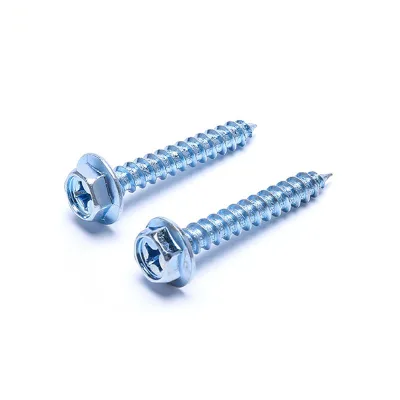


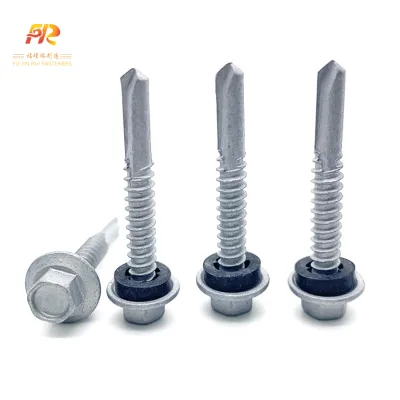


Comprehensive Sourcing Guide
Self Drilling Round Head Wood Screws Sourcing Guide
Procuring self-drilling round head wood screws requires careful attention to the specific head geometry and drilling capability, as these fasteners combine the functions of a drill bit and a screw. The observed market data indicates a strong presence of round head styles, though some listings also reference hexagonal or trumpet head variations that may serve different structural needs. Buyers must distinguish between standard round head designs and specialized variants to ensure the selected fastener matches the intended assembly requirements without compromising structural integrity.
The supply chain for these components often originates from manufacturing hubs in Hebei, China, where production capabilities span various steel grades and surface treatments. While the core keyword focuses on round heads, the available inventory includes diverse options such as carbon steel and stainless steel materials, each offering distinct corrosion resistance and strength profiles. Sourcing strategies should prioritize suppliers who can clearly articulate the specific head style and material composition to avoid confusion with other fastener types like common nails or hexagon head bolts.
Product Scope and Observed Listing Signals
The observed product listings reveal a wide price range from 0.01 to 1600 USD, reflecting significant variations in material quality, size, and order volume. Minimum order quantities fluctuate between 1 unit and 100,000 units, suggesting that buyers can access small trial batches or large-scale industrial shipments depending on their immediate needs. This variability necessitates a clear definition of project scale before engaging with suppliers, as the cost per unit and logistical requirements will differ drastically between a single-unit purchase and a bulk tonnage order.
Listing signals also highlight diverse packaging options, ranging from standard plastic bags and cartons to custom palletized solutions tailored to specific customer requirements. Some suppliers offer specialized packaging like 25kg per carton, while others provide flexible arrangements based on the client's logistical preferences. Buyers should verify that the packaging method aligns with their storage and handling capabilities, ensuring that the fasteners remain protected from damage during transit and are easily accessible upon arrival at the construction site.
Technical Specifications to Verify
Technical verification must begin with the head type and thread configuration, as the market offers a mix of round, pan, truss, flat, and hexagonal heads alongside fine and coarse thread options. The presence of specific standards such as DIN, GB, ANSI, and JIS in the listings indicates that manufacturers produce to international specifications, but buyers must confirm that the specific product matches the required standard for their application. Ensuring the correct head style, such as the round head or hexagonal variant, is critical for torque application and aesthetic consistency in the final assembly.
Material grade and surface treatment are equally critical technical parameters, with listings citing grades like 4.8 and 8.8, as well as materials including carbon steel and stainless steel. Surface treatments such as galvanization and zinc plating in white or yellow are common, providing necessary corrosion resistance for various environments. Buyers should explicitly request the exact grade and finish specifications to ensure the fasteners meet the mechanical strength and durability requirements of the specific wood or composite material being joined.
Compliance and Safety Documentation
Compliance documentation for these fasteners often includes certifications such as ISO, CE, RoHS, and GS, which signal adherence to international quality and safety management systems. While some listings mention these certifications, buyers must request valid, up-to-date certificates from the supplier to verify that the production processes and final products meet the required regulatory standards for their target market. Relying on general claims without physical documentation can lead to compliance risks, especially in regulated industries where fastener integrity is a safety critical factor.
Safety considerations also extend to the manufacturing process and material composition, particularly regarding the use of carbon steel versus stainless steel for specific environmental exposures. The listed standards like GOST, DIN, and ANSI provide a framework for quality assurance, but buyers should ensure that the specific batch of screws has been tested against these standards. Verifying that the supplier maintains a robust quality control system is essential to prevent the introduction of defective fasteners that could fail under load or corrode prematurely in service.
Cost Drivers and Commercial Terms
Cost drivers for self-drilling round head wood screws are heavily influenced by the raw material price, specifically the grade of steel and the complexity of the surface treatment processes. The observed delivery times of 5-10 days for in-stock items and 10-30 days for non-stock items indicate that inventory levels significantly impact the total cost of ownership and project timelines. Buyers should factor in these lead times when planning procurement schedules, as expedited shipping or rush orders may incur additional premiums beyond the base unit price.
Commercial terms such as the minimum order quantity of 1 ton for some suppliers and flexible packaging options can also affect the overall cost structure. The ability to customize the product model and packing method allows buyers to optimize costs by reducing waste and aligning orders with their specific logistical constraints. However, customization often requires longer lead times and higher setup costs, so buyers must balance the benefits of tailored solutions against the potential increase in unit price and delivery duration.
Supplier Qualification and Quality Control
Supplier qualification should focus on verifying the origin of the products, with many listings indicating production in Hebei, China, a major hub for fastener manufacturing. Buyers must assess the supplier's capacity to consistently deliver products that meet the specified standards, such as DIN18182 or other custom models, and ensure that their quality control processes are robust enough to handle large volume orders. The presence of a brand name like Marink in some listings suggests that established manufacturers may offer higher reliability, but due diligence is required to confirm their track record.
Quality control checks should include verifying the consistency of the head style, thread pitch, and material grade across the entire order batch. Since the market offers a mix of round, hexagonal, and trumpet heads, buyers must implement strict inspection protocols to ensure that the delivered products match the ordered specifications exactly. Requesting pre-shipment samples and conducting random sampling inspections upon arrival can help mitigate the risk of receiving substandard or mismatched fasteners that could compromise the structural integrity of the project.
Long-Term Procurement Checks
Long-term procurement success depends on establishing a reliable supply chain that can consistently meet the evolving needs of the project, including changes in volume and specification requirements. Buyers should maintain open communication with suppliers regarding their production capacity and ability to scale up or down based on demand fluctuations. The observed delivery times of 15-30 days for non-stock items suggest that maintaining a strategic inventory buffer may be necessary to avoid production delays in critical phases of construction or manufacturing.
Continuous monitoring of supplier performance is essential to ensure that the quality of the self-drilling round head wood screws remains consistent over time. Buyers should regularly review the supplier's adherence to agreed-upon standards, such as ISO and DIN, and verify that their certifications remain valid. Building a long-term partnership with a qualified supplier can lead to better pricing, improved lead times, and a higher level of trust, ultimately contributing to the overall efficiency and success of the procurement process.
FAQs
How do self drilling round head wood screws work?
Self drilling round head wood screws cut their own thread as they are driven, eliminating the need to pre-drill a pilot hole in most applications. The round head provides a raised bearing surface that sits above the wood surface. Performance depends on wood density and screw diameter, so pre-drilling may still be required in very hard or dense timber.
What materials are these self drilling round head wood screws made from?
Listed products are commonly made from carbon steel or stainless steel, with surface treatments such as galvanization and zinc plating in white or yellow finishes. Carbon steel offers higher strength at lower cost, while stainless steel provides better corrosion resistance. Grade designations such as 4.8 may apply, and material choice should match the indoor or outdoor exposure conditions of the project.
Which standards can these self drilling round head wood screws be produced to?
Suppliers list production against multiple standards including GB, DIN, ANSI, BSW, JIS, ISO, GOST, AISI, and ASTM. DIN18182 appears among listed models. When requesting quotes, specify the standard and dimensional requirements you need, since compliance depends on the individual supplier and order rather than every listed product.
Can self drilling round head wood screws be customized in size and finish?
Yes, customization is available according to the listed product attributes. Sizes are customized, finishes and colors can be supplied per request, and thread options include fine and coarse thread. Custom orders usually require longer delivery times than in-stock items, so confirm your specifications, minimum order quantity, and timeline with the supplier before ordering.
What is the typical minimum order quantity and delivery time?
Listed minimum order quantities start at 1 ton for some products, although other listings accept lower quantities. Delivery times range from 5 to 10 days for in-stock items and 10 to 30 days when production is required, with some listings quoting 15 to 30 days. Confirm exact MOQ and lead time for your specific size and finish before placing an order.
How are self drilling round head wood screws packed for shipping?
Common packing options include plastic bags plus cartons on pallets, 25kg cartons or bags on pallets, and carton with bag combinations. Suppliers can also customize packing according to customer requirements. When requesting quotations, state your preferred packing format and any labeling needs, since packing affects both unit price and container loading efficiency.
What certifications do suppliers of these screws hold?
Listed certifications include ISO, GS, RoHS, and CE. Certification coverage varies by supplier and individual product, so it should not be assumed that every listing carries all certifications. Buyers should request valid certificate copies for the specific production batch or supplier before finalizing an order, especially where regulatory compliance is required in the destination market.
Which head types and thread options are available?
Alongside round heads, listed head types include pan, truss, flat, hex, cheese, binding, and countersunk styles, with cross groove and hexagon head options also present. Threads are offered in fine and coarse variants, with self tapping sizes such as ST2.2 to ST6.3 listed. Select the head and thread combination based on your driving tool and the timber application.